Conservation of Mai Valley Forest Landscape through Sustainable Finance for People and Nature
Mai Valley Forest Landscape Project
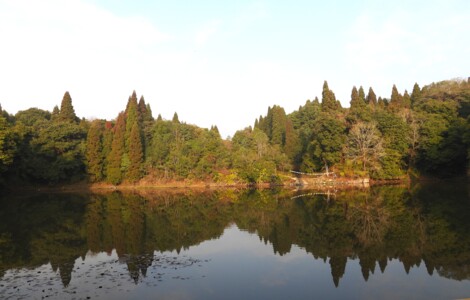
The Mai Valley Forest
Landscape, an Important Bird and Biodiversity Area (IBA) located in Ilam
District in north-eastern Nepal, is home for 375 bird species and rich
biodiversity, including several threatened species. Although the landscape lies
outside Nepal’s protected area, it plays an important role in biodiversity
conservation. However, the area is increasingly facing threats from habitat degradation,
unsustainable resource use, and livelihood pressures on local communities. To
address these challenges, Bird Conservation Nepal (BCN) has initiated a project
that integrates biodiversity conservation with sustainable livelihood
opportunities for local communities.
The project aims to promote sustainable cultivation, value addition, and marketing of Non-Timber Forest
Products (NTFPs), particularly cardamom, on private and abandoned lands. Three
community-based farmer groups will be established to improve production,
processing, and market access. Through training, capacity building, and
improved technologies such as cardamom drying machines, the initiative aims to
increase local income while promoting environmentally sustainable practices.
The project will also promote the branding of locally produced “Wood Snipe”
cardamom to enhance market value and strengthen awareness of conservation.
In addition, the project
will establish sustainable finance and benefit-sharing mechanisms that link
community livelihoods with conservation outcomes. A portion of the income
generated from NTFP enterprises will support a “Cardamom and Bird Conservation”
fund, which will contribute to forest management, bird monitoring, habitat
restoration, and community awareness activities. By strengthening community
ownership and establishing long-term financial support for conservation, the
initiative aims to create a replicable model for conserving biodiversity while
improving local livelihoods in landscapes outside protected areas.

